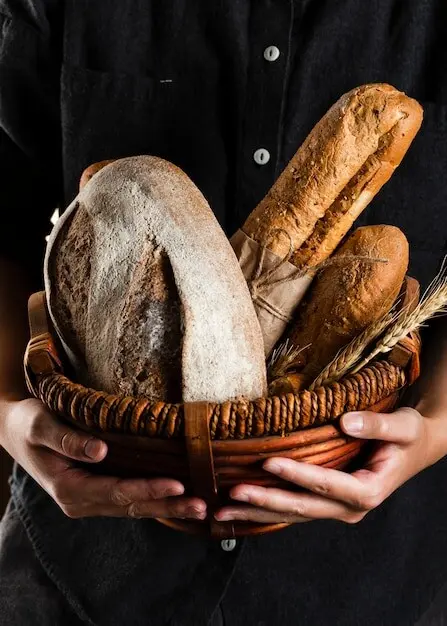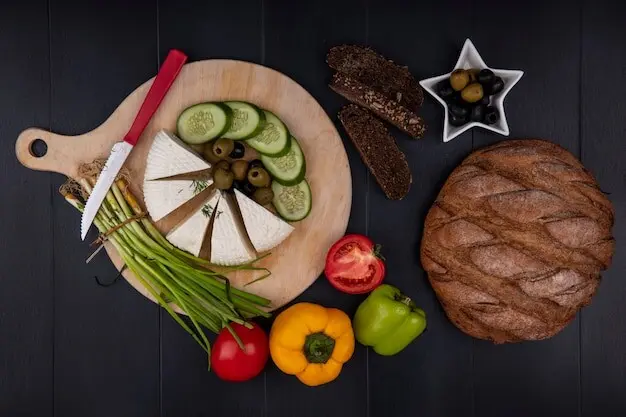
Campfire Bannock and Ash Cakes, Baked Beneath Open Skies

Step close to the fire and discover how simple dough, glowing coals, and a little patience create Campfire Bannock and Ash Cakes: Bread for the Backcountry. We’ll share field-proven methods, stories, and recipes you can trust on any wild journey.

Flour, Fire, and Fieldcraft

Great bread in the wild starts with practical choices and attentive heat. Learn how to blend shelf-stable flours, measure by feel, and read embers for steady baking. With a stick, skillet, or buried bundle, you’ll produce fragrant rounds and crisp cakes that lift morale, refuel legs, and make every campsite feel like home.

Choosing flours and leavening that travel well

All-purpose flour blends beautifully with whole wheat for flavor and resilience. Self-rising mixes simplify packing, while baking powder in a tiny vial stays reliable for weeks. Portion dry ingredients into freezer bags, add salt and milk powder, then stir in fat at camp for fresh, flexible dough.

Reading coals like a seasoned guide

Hardwood coals deliver even, confident heat that thin flames cannot. Build a small fire, feed it steadily, then let it fall to a glowing bed. Hold your palm near the grate to gauge intensity, rotate often, and shield with rocks against gusts.

Simple kit, strong results

A compact kit does wonders: a seasoned skillet, a pot lid for reflective cover, heatproof gloves, and a green stick for toasting twists. Foil helps but is optional. Pack a whisk, light oil, and a small brush to control sticking and scorching.

From stone griddles to cast iron

Early cooks slid rounds onto hot stones beside peat or hardwood fires, long before cast iron arrived. Griddles followed saddles and sleds, spreading dependable bread across camps. Today the same principle holds: flat surfaces, steady heat, patient turning, and shared slices beside sparks and stars.

Voyageurs and trappers relied on quick bread

Diaries from voyageurs and trappers mention flour rations stretched with fat and wild berries, mixed quickly and baked near embers before dawn pushes canoes onward. That efficient ritual still works, replacing fear of hunger with confidence, momentum, and a quiet gratitude for warm, sturdy nourishment.

Ash cakes across frontiers

Ash cakes appear in accounts from Appalachian hollows to Civil War encampments, often cornmeal-based, wrapped in leaves or left bare beneath powdery ash. The method shines when cookware is scarce, proving that simple coverings and clean embers can turn scant ingredients into honest, enduring food.

Reliable Ratios for Fireside Success
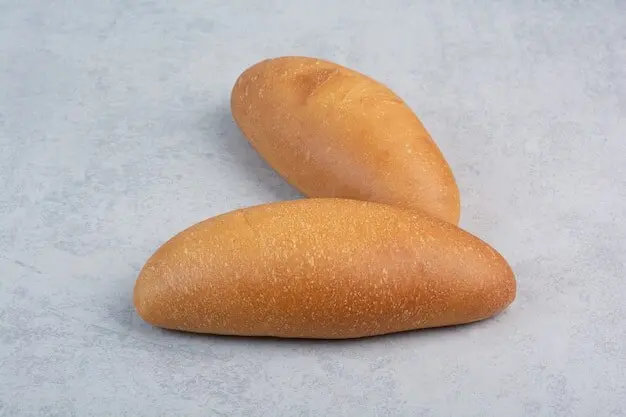
Consistency matters when the trail is long and weather uncertain. Master a few forgiving proportions, using pinches and handfuls when scales stay home. With balanced hydration, modest fat, and lively leavening, your dough tolerates stops, delays, chilly mornings, and still bakes proudly beside coals.

Classic bannock base that never quits
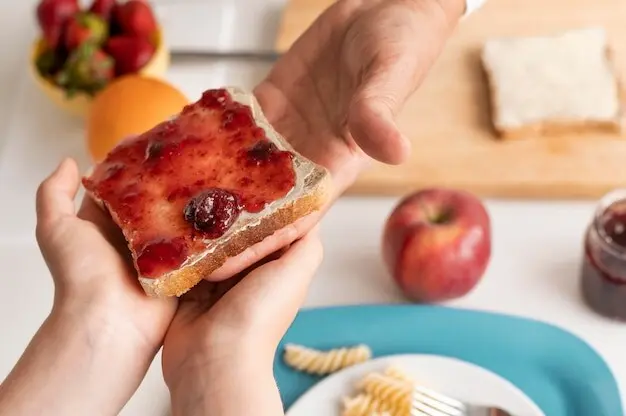
An ever-reliable mix uses about two cups flour, two teaspoons baking powder, half a teaspoon salt, two tablespoons fat, and three-quarters cup water. Blend dry ingredients first, rub in fat, add water gradually, rest briefly, then bake as rounds, twists, or stuffed pockets.

Cornmeal and oat ash cakes, crisp and hearty

Combine fine cornmeal with a little oat flour or ground rolled oats, a pinch of salt, and enough water to form a pliable patty. Press into leaves or parchment, bury gently in warm ash, then brush clean to reveal crisp, smoky edges.

Technique, Timing, and Troubleshooting in the Wild

Overworking introduces toughness. Mix until flour just hydrates, then rest ten minutes to relax gluten and allow water to migrate. That pause eases shaping, reduces tearing, improves browning, and helps crumbs set gently without crumbling when you finally break bread together.
Thick dough burns outside before cooking through. Flatten gently, move to cooler coals, and cover to reflect heat downward. If centers remain sticky, split rounds to expose interiors, then return halves to the edge where radiant warmth finishes baking evenly.
Wind robs heat and pushes sparks; build a low wall or use a lid. Rain demands patience and drier fuel. At altitude, add a little extra water and reduce leavening slightly, giving gases space to expand without collapsing your precious loaf.

Fire Safety and Wild Stewardship

Delicious bread should never cost the forest its health. Choose established fire rings, clear surroundings, and keep water ready. After baking, disperse cold ash, pack out crumbs, and respect wildlife. Responsible rituals ensure tomorrow’s travelers also meet warm crust and friendly embers.

Leave No Trace around the hearth

Minimize traces by burning down to clean coals, avoiding food spills, and scattering fully extinguished ash. Do not bury hot embers that might smolder roots. If stoves are required, adapt recipes to pans, then savor bread without scarring sensitive soil.

Safe handling, storage, and wildlife awareness

Store flour and mixes in odor-resistant bags, double-sealed to avoid attracting curious noses. Clean utensils away from sleeping areas. Cool bread fully before stashing, and never keep food in tents. These small habits protect both your meal and the wild neighbors.

Extinguishing and dispersing coals responsibly

Drown, stir, drown again until steaming stops, then feel for hidden heat with the back of your hand. Scatter cold remains widely. Celebrate the final hiss as a promise that your fire left nothing threatening behind for wind or wildlife.

Warm Stories, Shared Slices

Food builds community faster than signals reach a ridge. Share your first successes and funny misfires baking by the flames, then return to try new twists. Subscribe, comment with tips, and post photos so others learn, laugh, and head out better prepared.

A first loaf on a snowy ridge

Picture a whiteout morning when matches finally catch, fingers thaw, and a bannock round swells like sunrise. That first buttered wedge revives spirits, pries smiles from stiff faces, and reminds everyone they can still make warmth when the world howls.

Kids on berry duty become camp bakers

A summer trek brings a hillside of berries. Kids return triumphant, palms stained purple, and fold the treasure into dough. Laughter rises higher than smoke, and suddenly dessert is born, honest and wild, made by small hands learning old, resilient skills.

Join the circle: your questions and wins

Join our camp circle by sharing your ratios, tricks, and locations you love to bake beside. Ask questions, request experiments, and tell us what worked when storms surprised you. Together we’ll keep fires safe, bread bold, and adventures delicious.
Polihahipapolekikaku
Privacy Overview

This website uses cookies so that we can provide you with the best user experience possible. Cookie information is stored in your browser and performs functions such as recognising you when you return to our website and helping our team to understand which sections of the website you find most interesting and useful.