Rise Anywhere: Bread Beyond the Oven

Today we dive into No-Oven Bread Adventures, celebrating crusty, tender, wildly aromatic loaves born on stoves, grills, steamers, and campfires. We’ll blend science with play, share mishaps that taught us more than successes, and offer clear steps you can try tonight. Bring your curiosity, ask questions in the comments, and subscribe for weekly discoveries as we coax gorgeous crumb, audible crackle, and joyful meals from heat sources you already have.

Stovetop Loaves That Sing

A steady flame, a heavy pan, and a well-fitted lid can turn an ordinary burner into a tiny bakery where patience and moisture do the lifting. I learned this at midnight, coaxing a first loaf while rain tapped the window, the skillet quietly humming. Here we explore preheating, diffusion plates, gentle flips, and the magical steam that sets structure and color. Ask anything, share your burners, and let’s make weeknights smell unforgettable.

Choosing the Right Pan and Heat

Cast iron rewards with deep, even browning and dependable heat retention, while thick aluminum spreads energy quickly and forgives impatient hands. Preheat ten minutes over medium-low, use a diffuser for finicky flames, and listen for a soft sizzle. Adjust gently, rotate occasionally, and tell us which stove you trust in your kitchen adventures.

Moisture Management Under a Lid

Trapping steam builds an elastic crust and lets starches gel beautifully, but excess condensation can sog the surface. Use a glass lid or inverted bowl, and tuck a clean towel beneath the handle to catch drips safely. Peek sparingly, spritz lightly only if dry, and celebrate that shiny, delicate sheen.

Flip Timing and Crumb Set

Wait until the sides firm and the aroma turns nutty before flipping; rushing compresses crumb and smears structure. Aim for 205-210°F internal temperature, or listen for a hollow thump after a brief rest. Flip confidently, reduce heat slightly, and finish covered, then uncover to crisp without scorching.
Quick Hydrated Doughs
Mix flour, water, salt, and just enough yeast for flavor, then rest until relaxed and stretchy; oil the bowl so handling stays friendly. For focaccia, push hydration higher and folds gentler. Embrace stickiness, dust minimally, and let time build strength you won’t need to knead aggressively.

Blistering and Bubbles

For dramatic puff, preheat the pan thoroughly and lay dough with confidence, water-brushed side down to encourage steam. Cover briefly to trap heat, then uncover for freckles and char. Adjust flame between rounds as the pan stores energy, and rotate for even color without overbaking centers.

Oil, Herbs, and Pan Fermentation

Olive oil cushions heat and invites rosemary, garlic, or chili to bloom while dough slowly rises right in the skillet. Dimple with wet fingertips, press confidence into every pocket, and listen for tiny sizzles. Overnight refrigeration deepens flavor; share your favorite aromatics and finishing salts with the gang.

Steam, Pressure, and Gentle Clouds

Steaming creates a uniquely tender crumb, a porcelain glow, and aromas that feel like warm fog on the face. From mantou and bao to fluffy European-style milk rolls adapted for baskets and racks, moisture becomes the baker’s best friend. We’ll improvise steamers, manage drip control, and time rests so lids lift safely. Comment with your kitchen hacks, and bring patience; the payoff is pillowy, tear-apart joy without a scorched edge.

Grill and Fire: Smoke-Kissed Crusts

Grills grant searing heat and fragrant smoke, yielding breads with dramatic leopard spots and a whisper of campfire nostalgia. Build a two-zone setup, preheat stones or steels, and close the lid to mimic an enveloping chamber. I still remember a beachside flatbread crackling beside drifting sparks. Master balance, move confidently, and let wood, charcoal, or gas paint flavors while you monitor temperature, rotate often, and invite neighbors over when aromas drift.

Two-Zone Heat Mastery

Bank coals to one side or light only half the burners, creating a fierce sear zone and a gentler finishing haven. Sear, then slide and cover to bake through. Keep a spray bottle handy, manage flare-ups calmly, and track internal crumb temperature for repeatable, delicious results.

Stones, Steels, and Upturned Pans

A thick stone or steel stores brutal heat that lifts dough on contact; preheat thoroughly and avoid thermal shock. No stone? Invert a cast-iron skillet as a pseudo-domed surface. Close the lid, watch color, and rotate with tongs for mottled beauty without stressed, scorched bottoms.

Campfire Stories and Ember Baking

Bury a lidded pot at the edge of glowing embers, rotate occasionally, and resist lifting the lid too early. One dawn, cinnamon bannock perfumed the forest while thrushes sang. Share your fireside tales, favorite woods, and how you judge doneness by scent, sound, and courage.
Sourdough Without the Oven

Keep a small, happy starter and build a firm levain for structure. Bulk ferment until aerated and billowy, then shape tight and proof in a cool place. Cook inside a lidded pot over a diffuser, monitoring heat gently. Share your micro-adjustments; community wisdom strengthens every loaf.

Preferments for Speed and Depth

A room-temperature poolish loosens dough and brightens flavor, while a cooler biga lends strength and nutty sweetness. Experiment with ratios, track aromas, and feel elasticity improve. Add preferments to stovetop or grill bakes for graceful rise and character. Report back with your favorite combinations and timings.

Temperature and Time as Ingredients

Treat warmth and hours like salt and water: adjustable knobs for balance. A ten-degree shift can double yeast activity, so modulate with ice packs, sunbeams, or shaded countertops. Record results, prioritize dough feel, and coach newcomers in the comments so our whole circle learns faster.

Inclusive Loaves: Gluten-Free and Whole-Grain Wins
Not every body welcomes wheat, and many hearts crave the bold taste of whole grains. With psyllium gels, thoughtful hydration, and supportive pans, you can craft supple, sliceable breads on stovetops, grills, or steamers. We’ll build blends, rest batters for absorption, and crisp exteriors without drying middles. Tell us your needs, ask about substitutions, and share victories so more tables feel seen, nourished, and joyfully invited to break bread together.

Psyllium Magic and Structure

Bloom psyllium husk in warm water first, creating a silky gel that binds starches and holds gas. Mix thoroughly, rest generously, and expect batter-like consistencies to transform. Start covered for steam, then uncover to bronze. Describe your textures and we’ll fine-tune hydration and gel percentages together.

Whole-Grain Nutrition Without Heaviness
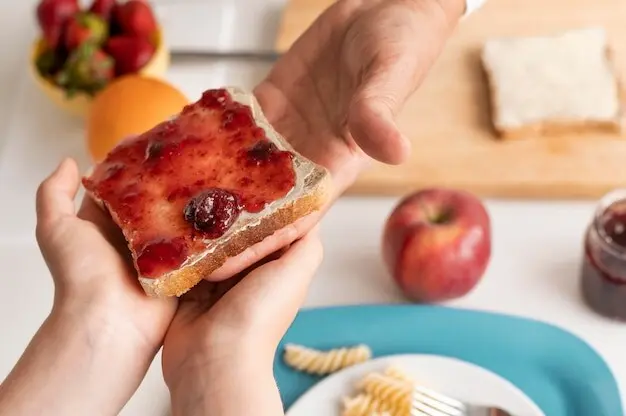
Soakers and scalds soften brans, while tangzhong traps moisture for tenderness. Balance bitter notes with honey or malt, and toast grains for aromatic depth. On the stove, a gentle start avoids scorching. Share your favorite blends, from rye and oat to millet, sorghum, and buckwheat.
Polihahipapolekikaku
Privacy Overview

This website uses cookies so that we can provide you with the best user experience possible. Cookie information is stored in your browser and performs functions such as recognising you when you return to our website and helping our team to understand which sections of the website you find most interesting and useful.