Slow Cooker Loaves, Unbelievably Fresh

Welcome to a cozy baker’s shortcut that still respects craft. Today we explore Slow Cooker Loaves: Crockpot Methods for Homemade Bread, turning gentle, consistent heat into tender crumb, fragrant kitchens, and dependable results. Expect smart techniques, tested timings, and stories that prove patience and steam can rival ovens.

The Science of Gentle Heat

Slow cookers surround dough with steady, humid warmth, encouraging a creamy crumb and expressive fermentation while minimizing scorching risk. Understanding how steam traps heat, how lids collect condensation, and how ceramic retains warmth helps you predict rise, timing, and texture. We’ll connect intuition with a few reliable checkpoints so you can trust your hands more than your timer, and enjoy loaves that feel handmade rather than fussed over.

Flour, Water, and the Closed Environment

Choose bread flour for stronger gluten if you love a lofty slice, or blend all‑purpose with a little whole wheat for flavor and tenderness. Aim near medium hydration; the crock’s humidity boosts effective moisture, so stickiness early on often resolves during proofing. Knead until smooth, then rest generously, letting the ceramic’s gentle warmth coax structure and sweetness without rushing the dough’s natural development.

Yeast Behavior on Low and High

Instant yeast plays beautifully with gentle heat, but active dry works too if fully dissolved. Keep dough cozy, not hot; yeast begins to suffer well before water simmers. Most loaves are ready when the center reaches about 190–200°F, yet trust the poke test and aroma as equal guides. Slower fermentation unlocks flavor, so allow time, and avoid lifting the lid frequently, preserving consistent conditions.

Building Crust Without a Roaring Oven

Because slow cookers rarely brown deeply, plan your finish. A dry dish towel under the lid reduces dripping and helps the surface set. Brush with milk, egg, or oil for color, then, if desired, brief broiling or skillet toasting delivers crackle without sacrificing the cooker’s tender, steamy crumb. Sugar in the dough and milk solids also aid color while keeping interiors luxuriously soft.

Setting Up Your Crockpot Bakery

Nest a metal or glass loaf pan inside the crock, creating a mini‑oven within an oven. The pan shapes slices for sandwiches and contains buttered sides that promote light browning. Ensure space around the pan for steam circulation, and check that handles or rims won’t wedge as the dough rises. This method yields uniform slices and an easy lift, perfect for weekly family staples.
For a freeform round, oil the ceramic insert and line with parchment to prevent sticking. Shape tightly to build surface tension, then place seam‑side down. The insert’s curves encourage a gentle dome, and the cooker’s moist heat keeps inclusions like seeds or cheese from scorching while the crumb sets. Score lightly to guide expansion, and monitor rise with the fingertip dent test.
Use wide parchment ears as handles to lift safely, and resist twisting the loaf while hot. Silicone spatulas help loosen edges without scratching. Avoid thin plastic liners with direct dough contact on high heat. Let the insert cool slightly before washing to protect the glaze and prevent hairline cracks. Prioritize dry hands, secure footing, and clear counters, because hot ceramics are deceptively heavy.

Everyday Doughs You Can Trust

Reliable formulas simplify busy days. We’ll lean on flexible ratios instead of rigid timers, focusing on feel, fragrance, and internal temperature. With a few base doughs, you can adapt sweetness, grains, and fats to the slow cooker’s humidity, producing dependable slices for breakfast, lunchboxes, and late‑night buttered cravings. Keep notes about your cooker’s quirks so each batch grows easier, tastier, and more personal.

Classic White Sandwich

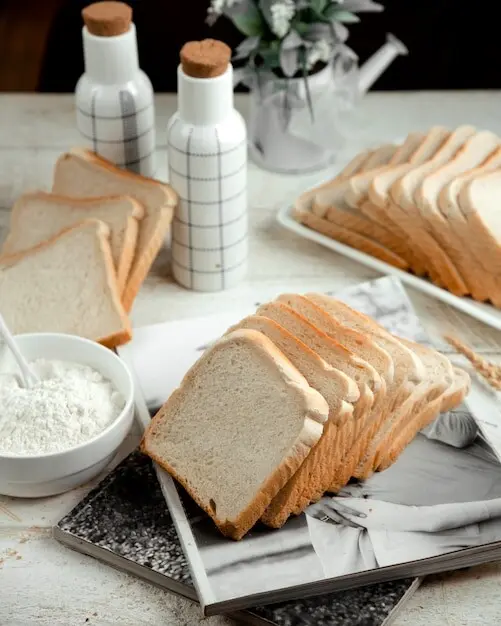
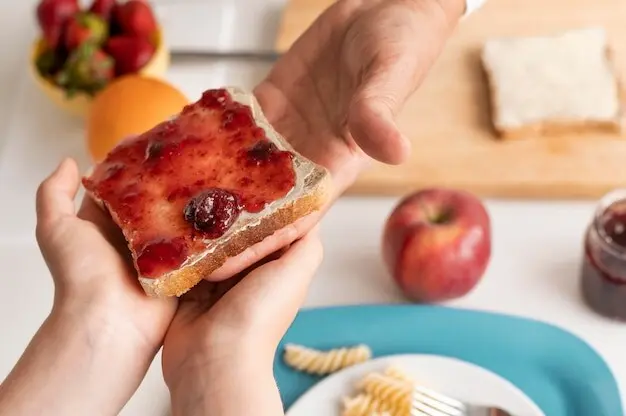
Think straightforward comfort: roughly 100% flour, 62% water, 2% salt, 2% sugar, 3% butter or oil, and about 1% yeast. Mix until shaggy, rest, then knead smooth. Proof until puffy, cook covered until the center nears 195°F. Finish under a broiler briefly for toast‑friendly, softly elastic slices. This crowd‑pleaser invites spreads, grilled cheese, and late‑night butter with jam.

Honey Whole Wheat

Blend whole wheat with bread flour to balance flavor and lift. Honey lends moisture and tenderizes, while a splash of milk enriches crumb. Expect slightly longer proofing in the crock’s mild warmth. Toasted wheat germ, flax, or oats deepen aroma, rewarding patience with nutty slices that keep beautifully. Brush the top with honey‑water near the end for sheen and gentle sweetness.

No‑Knead Rustic Boule

Stir flour, water, salt, and a pinch of yeast, then forget it overnight. The long rest builds gluten and complexity without kneading. In the morning, shape gently and cook in the prewarmed insert. The steamy chamber echoes a Dutch oven, yielding a custardy interior and rustic, blister‑kissed surface. Serve warm with olive oil, cracked pepper, and a story worth retelling.

Flavors that Shine in Steam

If the Crust Is Pale

If the top looks timid, remove the towel late to let moisture escape, extend cook time slightly, or finish under a broiler for a minute or two. A brushed wash of milk or egg before cooking also helps color. Remember, tenderness matters more than deep mahogany here, and flavor continues deepening as the loaf cools.

If the Crumb Is Dense or Gummy

Gummy texture often means undercooked center. Verify internal temperature around 195°F and give the loaf extra time if needed. Avoid cutting hot; steam must redistribute. Hydration may be high; dust flour lightly during shaping. Stronger shaping tension and a longer rest between knead and proof balance structure. Next batch, reduce liquid slightly or extend the first rest.

If the Loaf Overproofs or Collapses

If edges slump, the dough likely overproofed. Degas gently, reshaping with firm tension, and proof cooler next time. Reduce yeast slightly in warm kitchens. In a pinch, bake as focaccia‑style flatbread in the insert; olive oil, herbs, and coarse salt turn a rescue into proud improvisation. Record timing so you can repeat the save intentionally.

Cooling and Carryover Finish

Lift carefully and cool on a rack so steam leaves evenly. Resist slicing for at least thirty minutes; carryover heat continues setting the crumb. If crust feels soft, a few minutes in a dry oven or skillet revives edges without sacrificing the cooker’s plush interior character. Let fragrance guide patience, and celebrate the first neat slice.

Slicing for Sandwiches and Toast

Use a serrated knife and confident, gentle strokes. Let the knife do the work, avoiding compression that smears the crumb. For sandwiches, aim for even slices; for toast, slightly thicker cuts caramelize sugars perfectly. Turn the loaf on its side to minimize drag on fragile swirls. Wipe the blade between cuts for tidy results.
Polihahipapolekikaku
Privacy Overview

This website uses cookies so that we can provide you with the best user experience possible. Cookie information is stored in your browser and performs functions such as recognising you when you return to our website and helping our team to understand which sections of the website you find most interesting and useful.