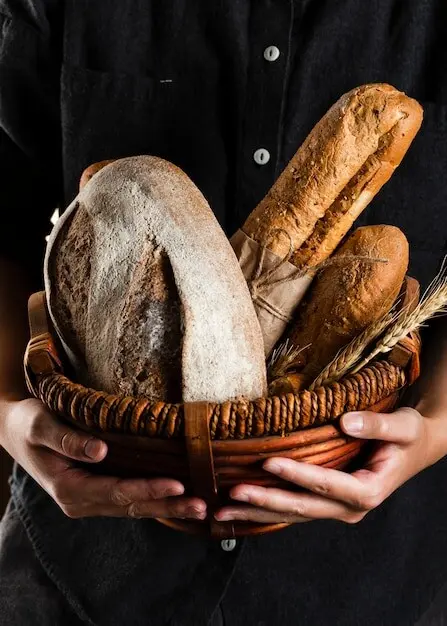
Sizzle and Rise: Skillet Breads Across the Globe
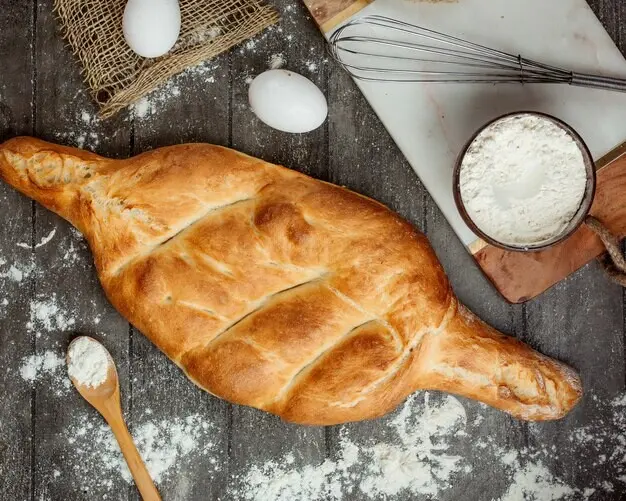
Gather around the stove as we explore stovetop skillet breads from around the world, celebrating the crackle of hot iron, the bloom of steam, and the comforting pull of fresh dough. From weeknight rotis to celebratory bazlama and tender Norwegian lefse, each round carries resourcefulness, family ritual, and flavor. Expect practical techniques, cultural anecdotes, and simple guidance you can cook tonight. Share your questions, cherished memories, or photos of your first puff in the comments, and help our warm, flour-dusted community grow as generously as a well-rested dough.

From Fire to Frying Pan: A Journey in Dough

Before ovens were common in homes, families fed one another with breads pressed, slapped, or rolled, then kissed by hot metal. That same direct heat still rewards us with blistered edges, soft centers, and a fragrance that turns kitchens into gathering places. Tonight, follow the sizzling trail of history and make it yours by trying a new style, asking a question, or sharing a family secret below.

Why the Skillet Changes Everything

Direct contact heat gives immediate lift, caramelization, and those irresistible freckles of char. A preheated pan locks in moisture while promoting fast gelatinization, creating tenderness without drying. You feel control in your wrist, not a distant dial. Try adjusting pan temperature between breads, and tell us which setting delivered the softest bite and boldest color in your kitchen.

Shared Methods, Distinct Identities

Across continents, hands do similar motions—pinch, roll, rest, flip—yet results sing in many languages. Roti stays lean, tortilla welcomes masa’s perfume, bazlama loves yogurt’s tang, while lefse folds in potato’s sweetness. Technique binds them; ingredients and traditions make them unique. Cook two styles side-by-side, note differences, and leave your tasting notes for curious readers to compare.

A Memory You Can Taste

Maybe you remember a parent patting dough while tea steeped, or a street vendor flipping breads to a staccato rhythm that matched your heartbeat. Those moments are edible time capsules. Revive one tonight: borrow a skillet, warm your kitchen, and let scent guide you. Post a memory, recipe tweak, or soundtrack that pairs perfectly with the rustle of flour.

The Science of Softness and Char

Flour Choices and Gluten Windows

Wheat bread flour brings strength; all-purpose offers balance; atta yields nutty elasticity; masa harina abandons gluten entirely for corn’s captivating aroma. Each flour asks different hydration and knead time. Stretch a small window to test elasticity, then rest until it relaxes. Try two flours this week, document textures, and share photos so others can feel the difference vicariously.

Hydration, Rest, and Tenderness

Add water until dough feels soft as an earlobe, then cover and rest so starch swells and gluten unwinds. A short autolyse reduces kneading; a longer rest adds extensibility. If dough resists rolling, patience beats pressure. Note minutes rested, compare rollability and puff, and tell us which schedule gave your most pillowy round and most satisfying char-flecked surface.

Leavening on the Stovetop

Some breads puff through steam and trapped gases; others invite baking powder, yogurt, or sourdough for tenderness and tang. Skillet timing matters: fast heat expands pockets before moisture escapes. Experiment with tiny leavening tweaks—one teaspoon versus half—and watch bubbles dance. Record rise, flavor, and browning in your kitchen journal, then drop insights below to help fellow cooks adapt.

Regional Classics to Try Tonight

A world tour fits in a single skillet. With simple pantry staples and attentive hands, you can go from Indian chapati to Mexican tortillas to Ethiopian injera without booking a flight. Choose one style this evening, note what surprised you, then invite friends to taste and vote. Your comments will guide tomorrow’s delicious adventures for everyone reading.

Pans, Heat, and Hands

Your tools, heat strategy, and touch decide everything. A well-seasoned pan releases cleanly, the right flame paints freckles not soot, and confident handling preserves bubbles. Whether gas, electric, or induction, you can tune outcomes by listening, watching, and adjusting. Compare pans, test preheat durations, log results, and report back so we can build a collective playbook together.

Cast Iron, Carbon Steel, and Nonstick

Cast iron stores heat for bold sear and steady puff; carbon steel responds quickly and lightens the wrist; nonstick lowers stress for beginners but dislikes extreme heat. Seasoning matters more than brand. Try identical dough across two pans, track sticking, color, and texture, then share which skillet delivered the easiest release and most consistent browning in your setup.

Mastering Heat on Any Stove

Medium-high preheat, then micro-adjustments, prevent scorching while encouraging lift. Look for a faint shimmer, toss a droplet for a quick dance, and start with a sacrificial round to calibrate. Rotate bread to chase hot spots. Time your first and second flips, note seconds between bubbles, and post your preferred flame setting so others translate it to their burners.

Timing, Puff, and Visual Cues

Edges turning matte, surface blisters forming, and a faint aroma of toasted grain signal readiness. A gentle press after the first flip often invites dramatic inflation. Overcook and you lose suppleness; undercook and you miss depth. Keep a stopwatch, compare batches, and tell us which timing unlocked the softest fold while still preserving that irresistible speckled char.

Flavor Finishes and Textural Tricks
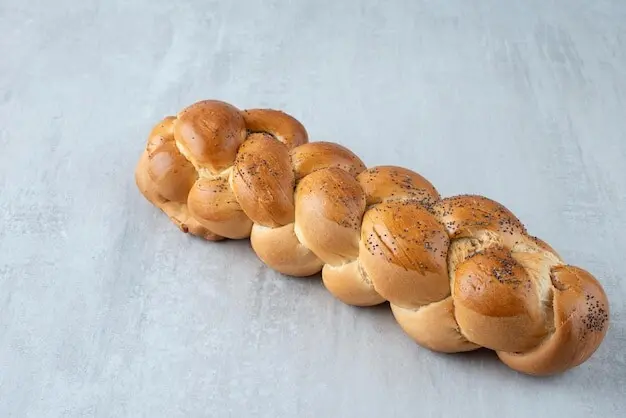
Small finishing moves transform good bread into unforgettable bread. A brush of ghee, olive oil, or chili butter adds sheen and aroma; seeds crackle; herbs bloom against warmth. Lamination creates layers; fillings surprise every bite. Record which finish won applause at your table, then inspire readers with combinations they can riff on tomorrow night without extra shopping.

Brush, Sprinkle, Sizzle

Right off the heat, brush with garlic butter, za’atar oil, or sesame-chili crisp so flavors bloom while steam escapes. Sprinkle nigella, toasted sesame, or flaky salt for crunch and contrast. Hear the sizzle, breathe deeply, and serve immediately. Share your favorite finishing trio and why it works—fat, acid, heat, or texture—so we can all borrow that delight.

Herbs, Spices, and Seeds That Travel Well

Cilantro, parsley, dill, or scallions bring garden brightness; cumin, coriander, paprika, or sumac ground the palate; sesame, nigella, and poppy add crackle. Warm bread becomes a canvas for contrast. Create regional signatures by pairing seasonings with traditional dips. Post your best seasoning ratios, freshness tips, and storage tricks to keep blends vibrant and ready for spontaneous weeknight cooking.

Serving Rituals and Everyday Meals

Breakfast Rush to Late-Night Comfort

In the morning, fold in soft eggs, avocado, and chili crunch; at night, swipe yogurt with honey or melted chocolate for quickly earned bliss. The skillet’s reliability shortens waits while extending coziness. Share your fastest combination, prep shortcuts, and reheating tips to keep rounds tender, fragrant, and seconds away from happiness whenever cravings whisper through your kitchen.

Dips, Spreads, and Sauces That Sing

Pair with hummus, muhammara, chermoula, garlicky labneh, smoky salsa, or herb-flecked butter. Contrast temperature and texture: cool, creamy dips with hot, blistered bread spark conversation. Keep a sauce jar ready for spontaneous meals. Contribute your most dependable dip, the oil-to-acid ratio you like, and how you batch-prep so flavor waits patiently for the skillet’s final flourish.

Host a Global Flatbread Night

Pre-measure dough balls, set a toppings bar, and rotate guests through the skillet station like a joyful assembly line. Label condiments by region and invite stories from travels or family kitchens. End with a vote for favorite round. Share your party plan, playlist, and timing chart so others can replicate the laughter, aroma, and friendly chaos with confidence.
Polihahipapolekikaku
Privacy Overview

This website uses cookies so that we can provide you with the best user experience possible. Cookie information is stored in your browser and performs functions such as recognising you when you return to our website and helping our team to understand which sections of the website you find most interesting and useful.